অক্টোবর ২০২৬
ইংরেজি Contractions (সংক্ষিপ্ত রূপ)
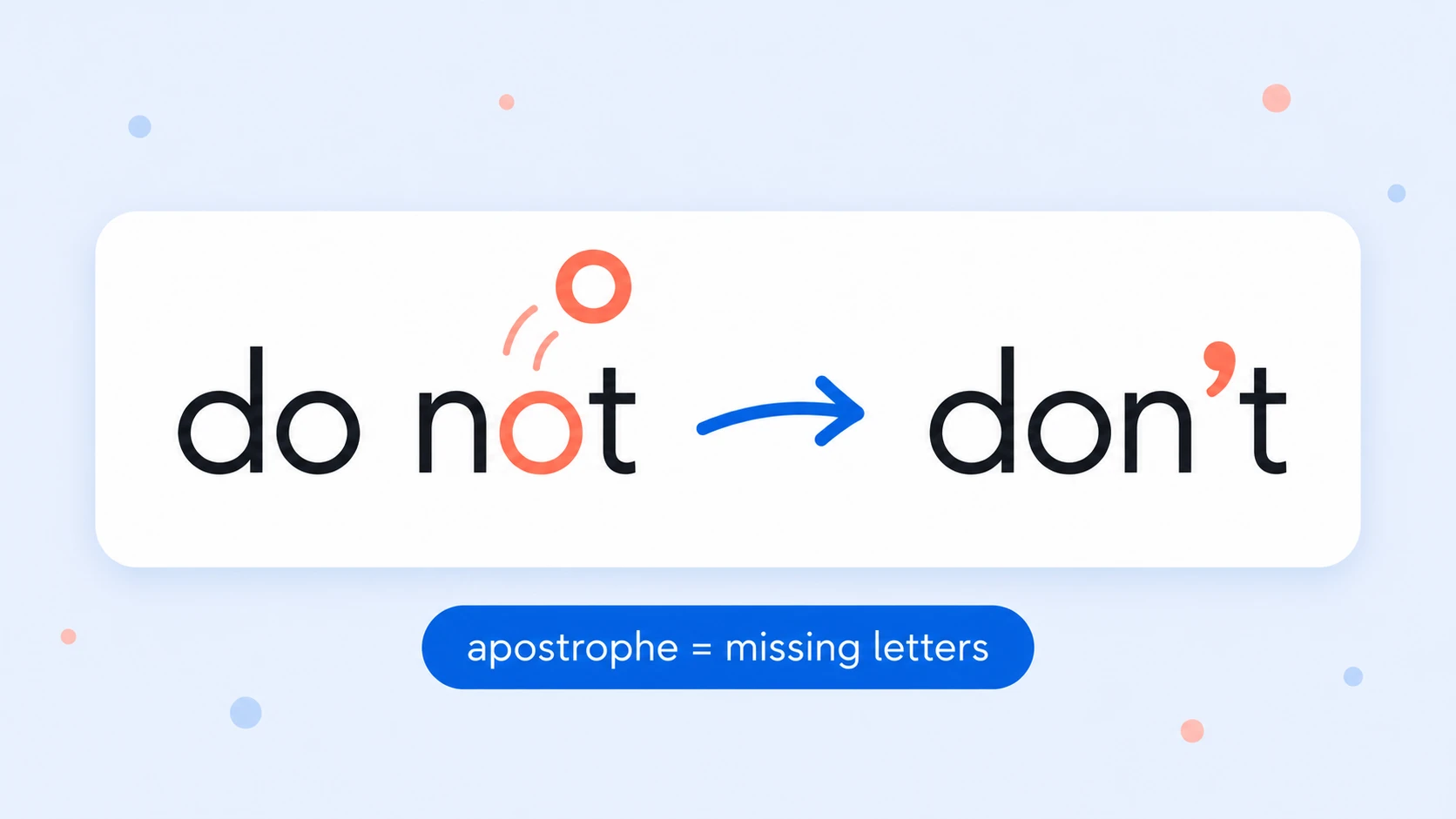
Contraction দুটি শব্দকে জুড়ে একটি ছোট শব্দ বানায়, যেখানে অক্ষর বাদ গেছে সেখানে apostrophe বসে: “I am” হয় “I’m”, “do not” হয় “don’t”। কথ্য ইংরেজিতে এগুলো সর্বত্র আছে, আর এগুলো ছোট ও দ্রুত বলে সহজেই শোনার সময় ফসকে যায়।
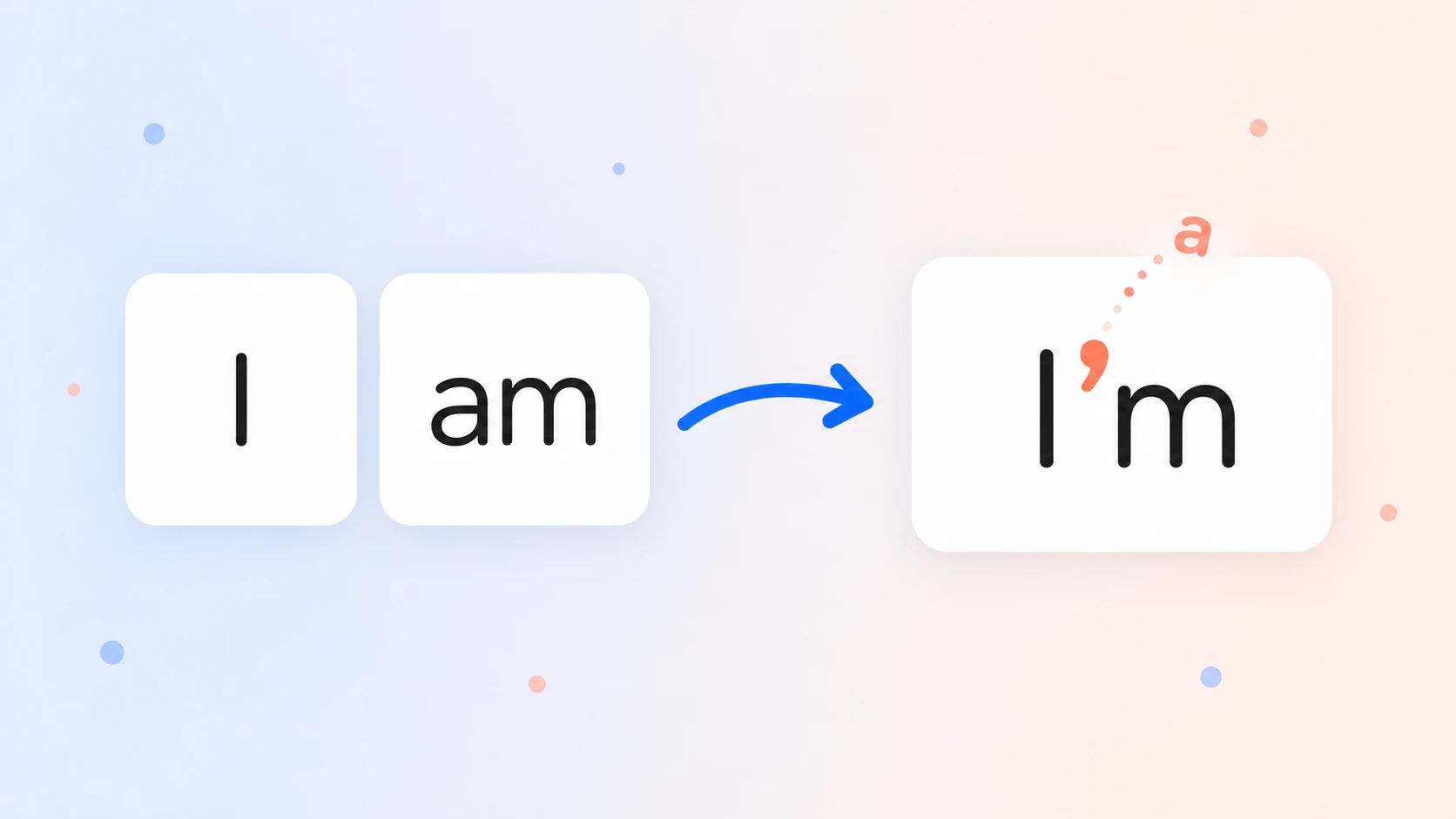
Contraction কী?
Contraction হলো দুটি শব্দের ছোট রূপ, সাধারণত সর্বনাম বা বিশেষ্যের সঙ্গে ক্রিয়া (“she is” → “she’s”), অথবা ক্রিয়ার সঙ্গে “not” (“is not” → “isn’t”)। Apostrophe দেখায় কোথায় অক্ষর বাদ গেছে।
- I am going home.
- I’m going home.
- They will call you.
- They’ll call you.
- It is not ready.
- It isn’t ready.
ইংরেজি contractions-এর তালিকা
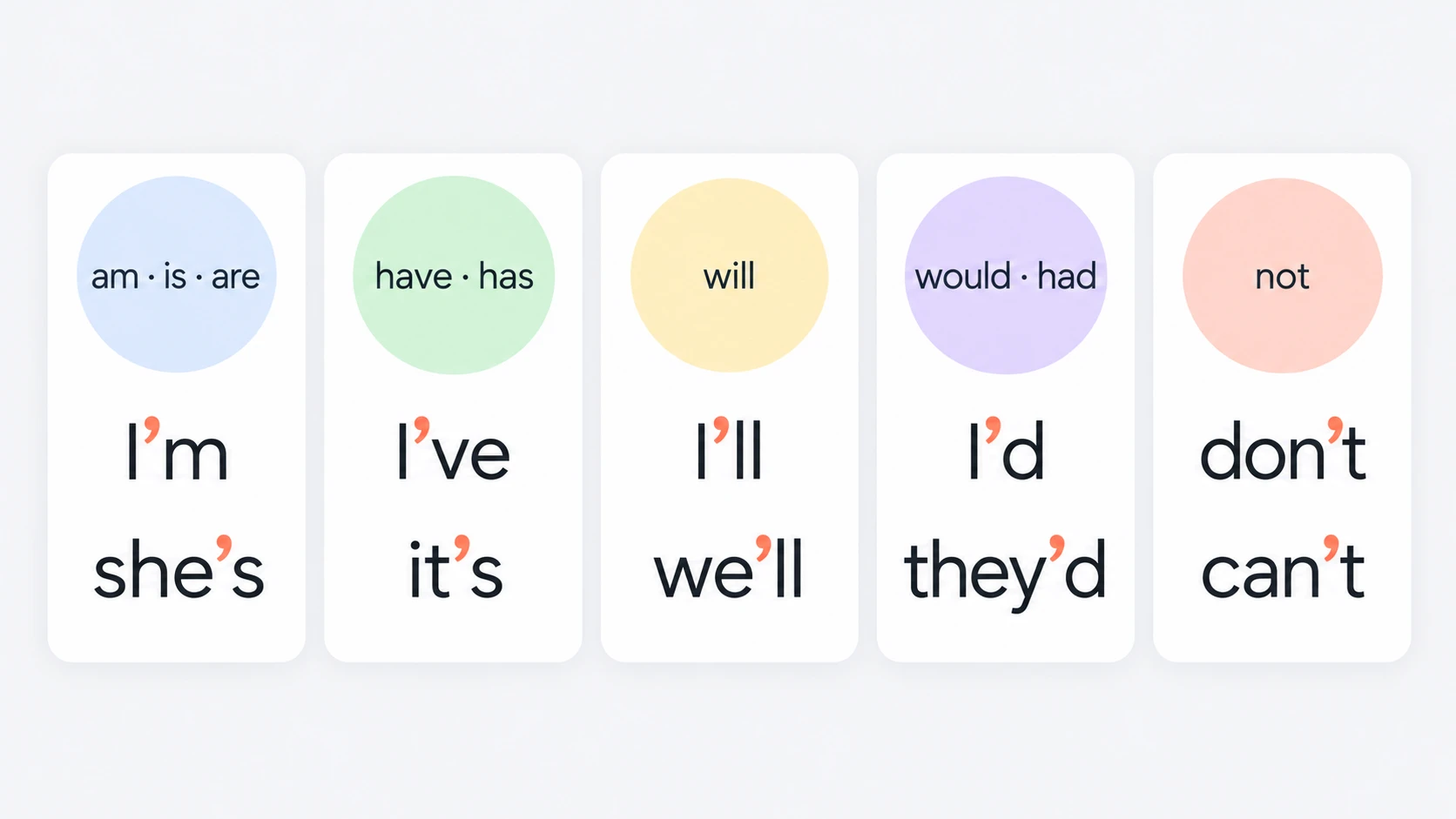
- am, is, areI’m, you’re, he’s, she’s, it’s, we’re, they’re, that’s, there’s, what’s, who’s
- have, hasI’ve, you’ve, we’ve, they’ve, he’s (has), she’s (has), it’s (has)
- willI’ll, you’ll, he’ll, she’ll, it’ll, we’ll, they’ll
- would, hadI’d, you’d, he’d, she’d, we’d, they’d
- notisn’t, aren’t, wasn’t, weren’t, don’t, doesn’t, didn’t, haven’t, hasn’t, hadn’t, can’t, couldn’t, won’t, wouldn’t, shouldn’t, mustn’t
- অন্যান্যlet’s (let us), ma’am (madam), o’clock (of the clock)
Contractions ব্যবহারের নিয়ম
- Apostrophe বসে যেখানে অক্ষর বাদ গেছে: do not → don’t, do’nt নয়।
- কথাবার্তা, ইমেইল, মেসেজ ও বেশিরভাগ দৈনন্দিন লেখায় এগুলো ব্যবহার করুন; খুব আনুষ্ঠানিক লেখায় এড়িয়ে চলুন।
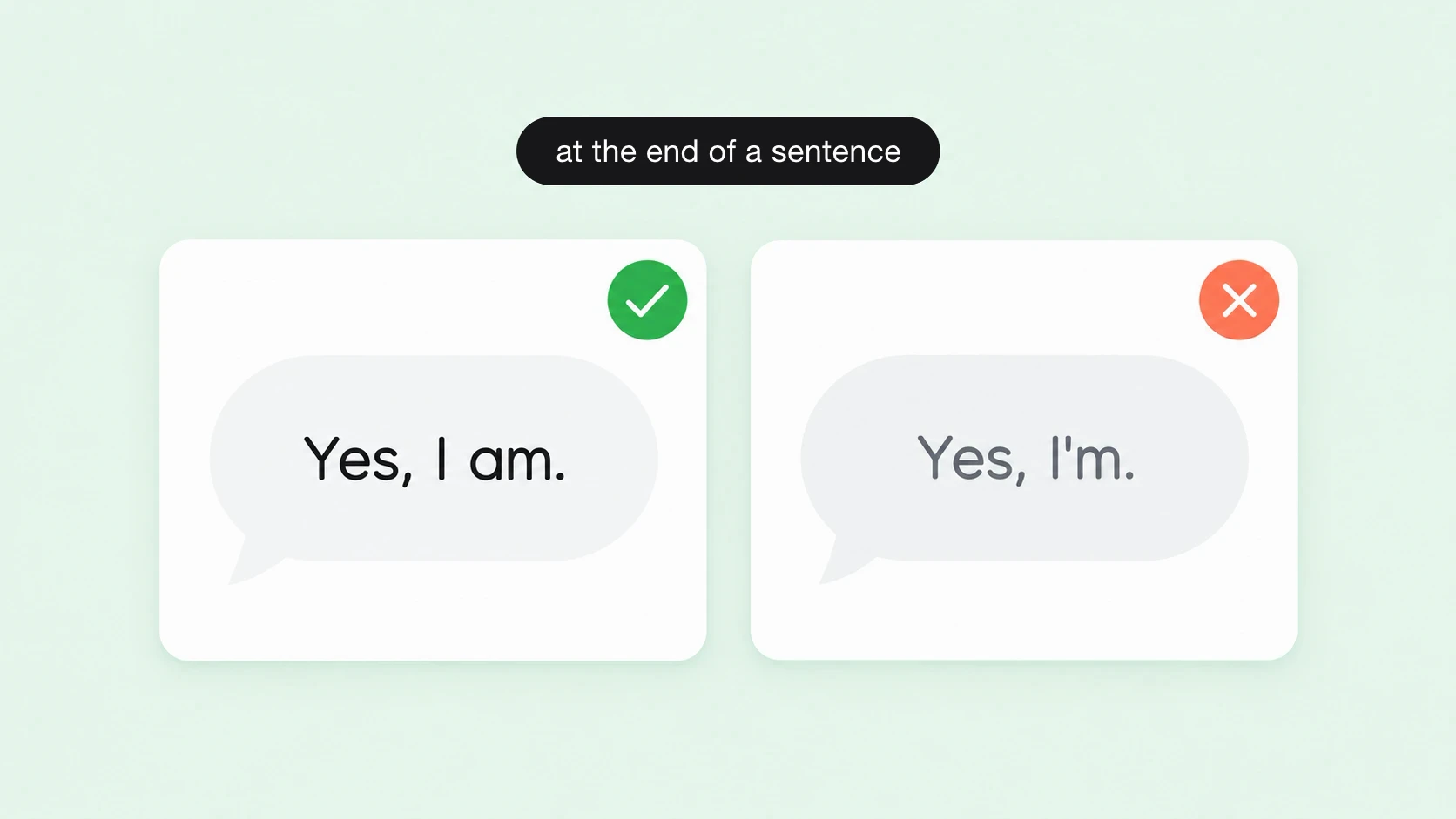
- বাক্যের শেষে ইতিবাচক contraction বসাবেন না: “Yes, I am”, “Yes, I’m” নয় (নেতিবাচকগুলো চলে: “No, I don’t”)।
- কিছু রূপ অনিয়মিত: will not → won’t, cannot → can’t, shall not → shan’t।
- Contraction আর মালিকানাসূচক শব্দ গুলিয়ে ফেলবেন না: it’s (it is) বনাম its, you’re (you are) বনাম your, they’re (they are) বনাম their।
যে contractions শোনা কঠিন
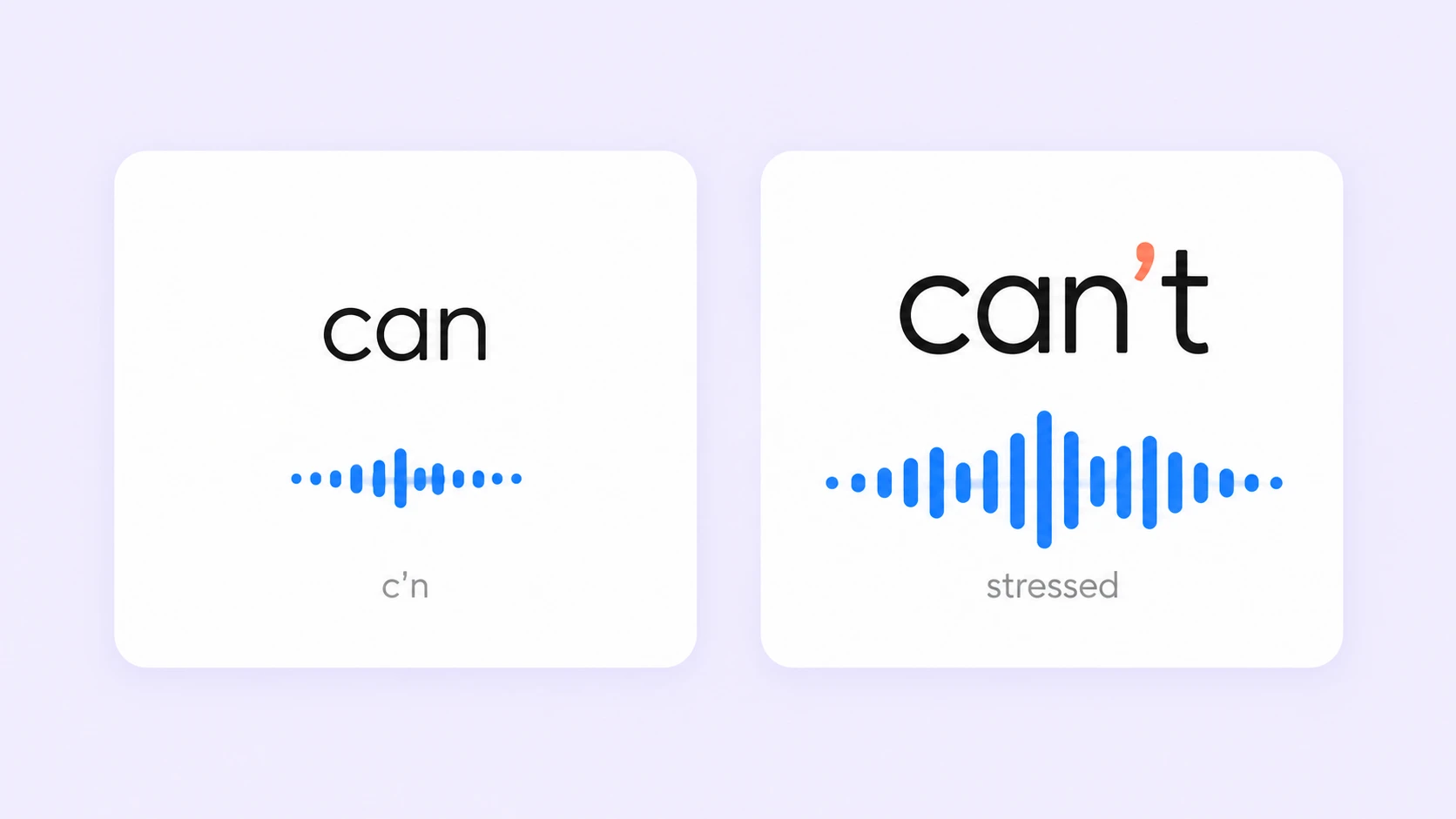
Can ও can’t: “can” সাধারণত দুর্বল ও দ্রুত (“I c’n come”), আর “can’t” তার পূর্ণ স্বরধ্বনি ধরে রাখে এবং প্রায়ই জোর পায়। যে “t” প্রায় শোনাই যায় না তার অপেক্ষা না করে স্বরধ্বনি ও জোর (stress) শুনুন।
- I can come tomorrow.
- I can’t come tomorrow.
- She can swim.
- She can’t swim.
- We can help you.
- We can’t help you.
’s মানে হতে পারে “is” বা “has”: “He’s working” (is), “He’s finished” (has)। ’d মানে হতে পারে “would” বা “had”: “I’d like” (would), “I’d left” (had)। কোনটি, তা পরের শব্দ বলে দেয়।
- He’s working. (is)
- He’s finished. (has)
- I’d like a coffee. (would)
- I’d left already. (had)
Gonna, wanna, gotta
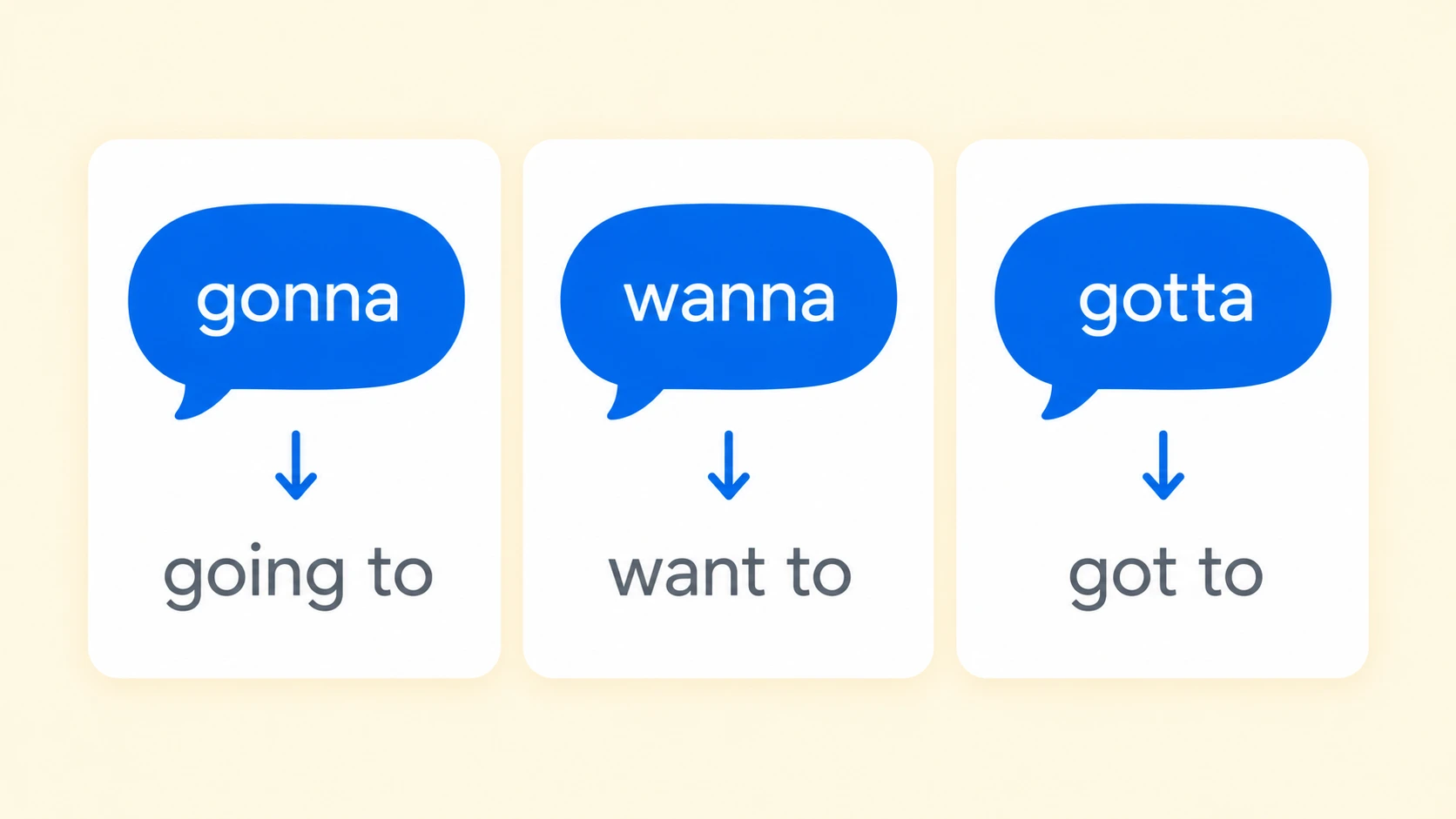
অনানুষ্ঠানিক কথায় কিছু বাক্যাংশ আরও ছোট হয়ে যায়: “going to” → gonna, “want to” → wanna, “got to” → gotta, “kind of” → kinda, “let me” → lemme, “don’t know” → dunno। এগুলো মান্য বানান নয়, কিন্তু সিনেমা, গান ও আলাপে সর্বত্র শুনবেন। Dictation-এ পূর্ণ রূপ লিখুন।
- I’m gonna be late. (going to)
- I wanna go home. (want to)
- I’ve gotta go. (got to)
শিক্ষার্থীরা সবচেয়ে বেশি কী মিস করে
শোনা কথা লিখতে গিয়ে শিক্ষার্থীরা প্রায়ই contraction পুরোটাই বাদ দেয়: “I’m going”-এর জায়গায় “I going”, “She’s finished”-এর জায়গায় “She finished”। “can” ও “can’t” গুলিয়ে ফেলাও সাধারণ, আর তাতে অর্থ উল্টে যায়।
Contractions নিয়ে প্রশ্ন
ইংরেজিতে contractions কী?
Apostrophe দিয়ে জোড়া দুটি শব্দের ছোট রূপ, যেমন “I’m” (I am), “don’t” (do not) ও “they’ll” (they will)।
Contractions কি অনানুষ্ঠানিক?
“I’m” ও “don’t”-এর মতো contractions কথায় এবং বেশিরভাগ লেখায় স্বাভাবিক; কেবল খুব আনুষ্ঠানিক লেখা এগুলো এড়ায়। “gonna” ও “wanna”-র মতো রূপ অনানুষ্ঠানিক এবং সাধারণত শুধু কথায় বলা হয়।
“can” আর “can’t”-এর পার্থক্য কীভাবে শুনব?
স্বরধ্বনি ও জোর শুনুন। “Can” সাধারণত ছোট ও জোরহীন (“c’n”); “can’t”-এর স্বরধ্বনি দীর্ঘ ও স্পষ্ট এবং প্রায়ই জোর পায়।
“gonna” কি একটি contraction?
এটি “going to”-র অনানুষ্ঠানিক সংক্ষিপ্ত রূপ, কথায় ব্যবহৃত হয়। এটি apostrophe দিয়ে লেখা হয় না এবং আনুষ্ঠানিক লেখায় ব্যবহৃত হয় না।